Store experience overhaul
Clear tag labels, product-positioning purchase guides and a unified brand UI panel.
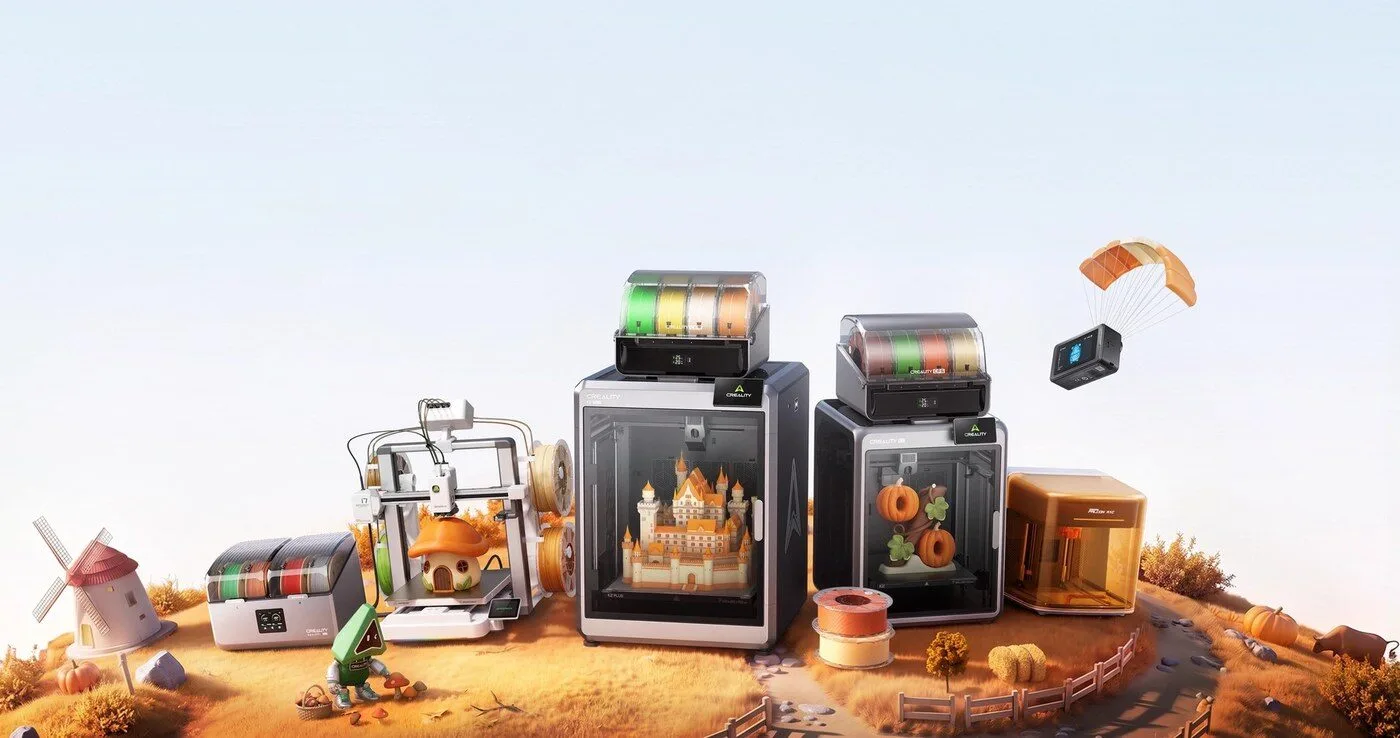
Case 01 / 19
 Creality
Category: Consumer 3D printers
The store had to build brand mind-share and lift sales conversion at the same time. We rebuilt the experience around three goals: add-to-cart and repurchase, dwell-to-conversion, and brand mind-share.
Creality is a consumer 3D printer brand founded in 2014 and headquartered in Shenzhen. Its website reports more than 6 million units shipped to over 140 countries and regions, and the company is listed on the Hong Kong main board under stock code 3388. Those are the brand's own claims, and they describe a business that already has global reach and a large installed base.
Consumer 3D printing sits in an awkward place between hobby hardware and a mainstream appliance. Buyers compare specifications, but many are first-time users who worry less about speed charts and more about whether the machine will actually print on day one. This is our reading of the category, not a market statistic: a store in this space speaks to two audiences at once, the experienced maker and the nervous beginner.
The tension in this project was that the store had to do two jobs that often pull against each other. It had to build brand mind-share, so shoppers remember Creality, and it had to lift sales conversion, so shoppers add to cart and come back. A page that is all brand story can slow the sale, and a page that is all specs can make the brand forgettable.
Next2Market framed the work around three goals: add-to-cart and repurchase, dwell-to-conversion, and brand mind-share. Rather than redesigning pages in isolation, we treated the store experience, the product page and the amount of information on each page as one system, so that every change could be tied back to one of those three goals. Results are shared only when the brand approves.
A catalogue of printers with similar-looking names and long spec lists makes first-time buyers hesitate, and hesitation usually means leaving the page.
We added clear tag labels, product-positioning purchase guides and a unified brand UI panel, so each model states who it is for.
For a first-time buyer the real purchase question is confidence, not performance. If the page does not answer it, a strong specification does not help.
We rebuilt the product page for beginners around “unbox and print”, and showed results in three stages: before, during and after printing.
Redundant parameters compete with the message that matters most. When everything is emphasised, nothing is remembered.
We slimmed the pages, cut redundant specifications and gave the Worry-Free Printing message the lead position.
If the visual language changes from page to page, the store builds no recognisable identity, however good each page is alone.
We unified the store under one brand UI panel so tags, guides and product pages read as one Creality experience.
Clear tag labels, product-positioning purchase guides and a unified brand UI panel.
Beginner-first, “unbox and print”; results shown in three stages — before, during and after printing.
Spotlight Worry-Free Printing and cut redundant specs.
The store had to build brand mind-share and lift sales conversion at the same time. We rebuilt the experience around three goals: add-to-cart and repurchase, dwell-to-conversion, and brand mind-share.
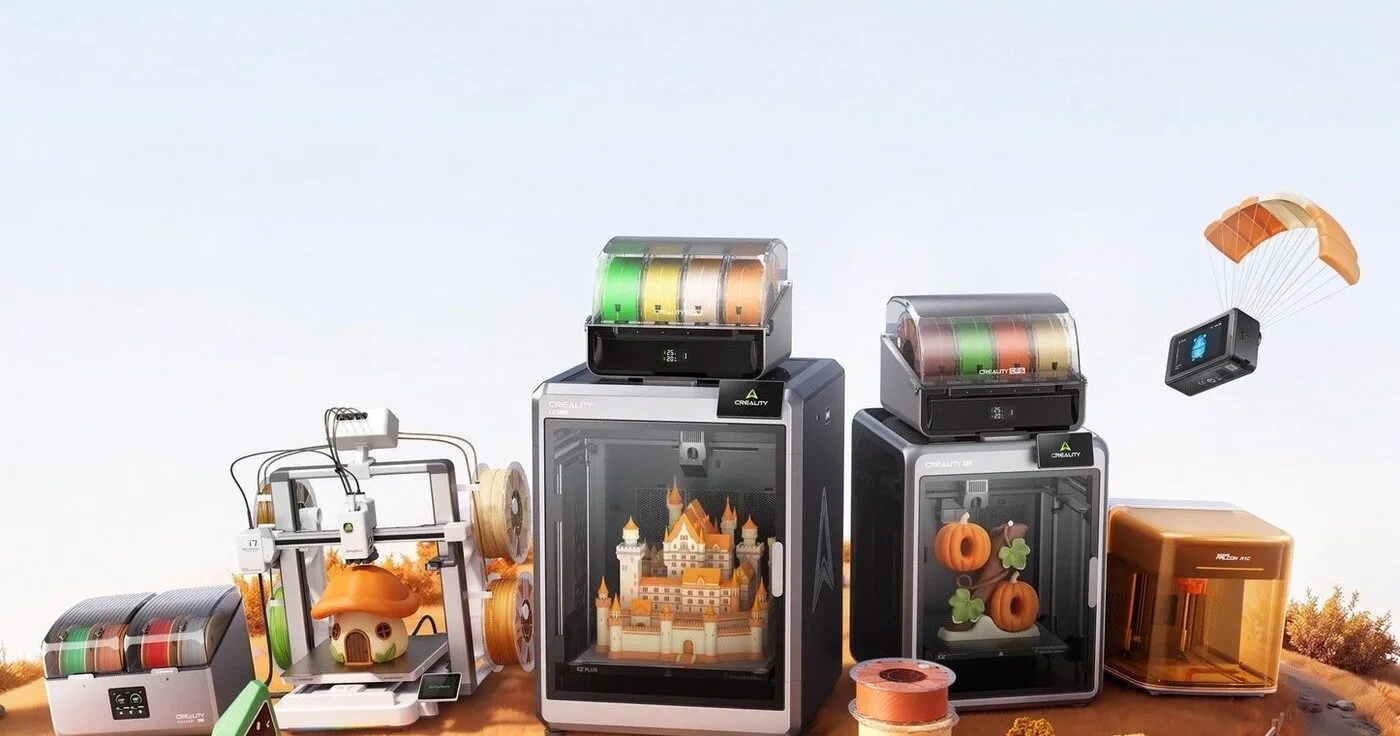
We rebuilt the Creality Shopify experience around three goals: add-to-cart and repurchase, dwell-to-conversion and brand mind-share, because the store had to build the brand and lift sales at the same time.
Performance figures are shared only with the brand's approval.
Because first-time buyers decide on confidence, not on specification. In our reading, a page that shows a beginner what happens from unboxing to a finished print removes the main reason to hesitate.
Treat them as one design system. A consistent brand UI builds recognition, while purchase guides and clear labels keep the shopper moving toward the cart.
Prepare the buyer's first-day story and the one promise you want to own, then decide what can be cut.
Use scale as supporting proof and attribute it to the brand. Creality's website reports 6M+ units shipped to 140+ countries and regions, which works as reassurance next to a product story, not instead of one.
Measure against the goals the redesign was built for, not against a general score. For Creality those goals were add-to-cart and repurchase, dwell-to-conversion and brand mind-share.
Yes. Creality is a listed brand and we worked on its store experience, product pages and brand UI; scope and terms are agreed per project.
The store had to build brand mind-share and lift sales conversion at the same time. We rebuilt the experience around three goals: add-to-cart and repurchase, dwell-to-conversion, and brand mind-share.
A store experience overhaul with clear tag labels, purchase guides and a unified brand UI panel; a product-page rebuild aimed at beginners, showing results before, during and after printing; and a slimmer page that spotlights Worry-Free Printing.
A Shopify store experience with a unified brand UI, and a beginner-friendly product-page information architecture and selling narrative.
Read the playbook: shopify store case study
Ready when you are
Shopify design and operation, traffic, customer operations and SEO · GEO — one team across Los Angeles, Shenzhen and Hangzhou.
Free custom ad plan
Tell us where to send it. You’ll also get the Next2Market Growth Notes — practical DTC, affiliate and SEO · GEO ideas for brands going global.
No spam · One-click unsubscribe
Last updated