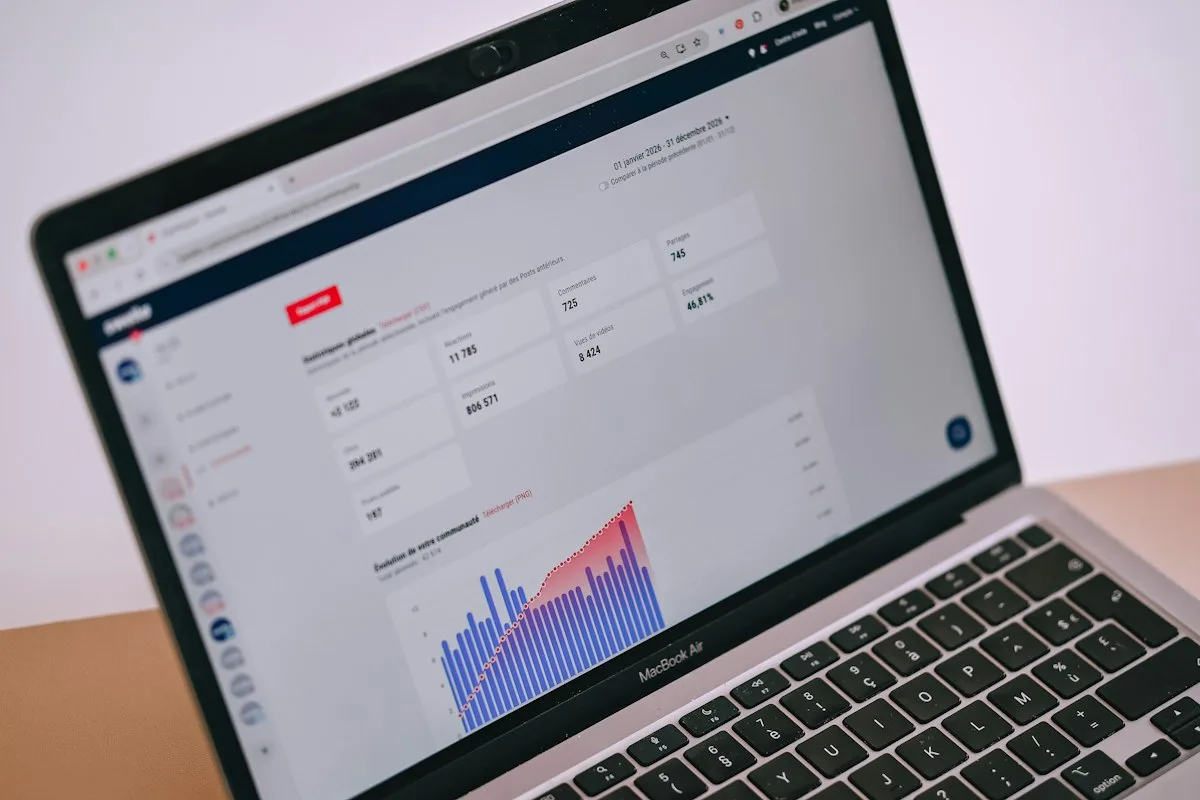
In short Build a fixed set of prompts, sample it across ChatGPT, Perplexity, Gemini, Google AI Mode and Copilot on a regular schedule, and record whether your brand is mentioned, cited or recommended. Add Search Console, Bing reports and GA4 referrals. Answers vary run to run, so read trends, not single results.
- 1Why AI visibility needs its own measurementClassic rank tracking assumes one query returns one ordered list.
- 2Build a fixed prompt setWrite the prompts your buyers would really type, then freeze them.
- 3Sample several engines on a scheduleRun the same prompts in ChatGPT, Perplexity, Gemini, Google AI Mode and Microsoft Copilot, since each draws on different sources and behaves differently.
- 4Record mention versus citationThese are different outcomes and should be separate columns.
- 5Platform reports, cadence and limitsSearch Console reports Google Search performance, and Google has said clicks and impressions from AI features are counted in the Performance report for the Search type.
Why AI visibility needs its own measurement
Classic rank tracking assumes one query returns one ordered list. AI answers do not work that way. The same question can produce a different answer on a different day, for a different user, with different sources. There is no stable position one to report, so you need a method built for sampling.
The aim is not a vanity score. It is three plain questions. When buyers ask about our category, are we in the answer? Is the answer accurate? Which sources feed it?
Build a fixed prompt set
Write the prompts your buyers would really type, then freeze them. Changing the wording every month destroys comparability. Cover the stages of a purchase and keep the set small enough to run on schedule.
- Category discovery: “best [product type] for [use case]”.
- Comparison: “[your brand] vs [competitor]”, and “alternatives to [competitor]”.
- Problem and how-to questions your content answers.
- Brand questions: reputation, shipping, returns, pricing model, who it is for.
- Locked competitor list, so share of voice is measured against the same names each time.
Related guides: get cited by chatgpt · geo vs seo
Sample several engines on a schedule
Run the same prompts in ChatGPT, Perplexity, Gemini, Google AI Mode and Microsoft Copilot, since each draws on different sources and behaves differently. Run each prompt more than once, because a single answer is one sample, not the truth. Use a consistent setup: same region, logged-out or a dedicated test account, and note whether web search was on.
- 11 · Freeze promptsBuyer-language prompts, competitor list and engines written down.
- 22 · SampleRun each prompt several times per engine on a set date.
- 33 · RecordLog mention, citation, recommendation, accuracy and sources.
- 44 · CompareRead trends against prior rounds and competitors.
- 55 · ActFix content, access or off-site gaps, then re-measure.
Record mention versus citation
These are different outcomes and should be separate columns. A mention means the brand name appears in the answer text. A citation means the answer links to or names your page as a source. A recommendation means the engine suggests you as a choice. You can be mentioned without being cited, which usually means models know you from other people’s content, and cited without being recommended, which points to a positioning problem.
Also log whether facts are right: price, availability, features, policies. A wrong claim is a content or entity-consistency task, not a ranking task.
Platform reports, cadence and limits
Search Console reports Google Search performance, and Google has said clicks and impressions from AI features are counted in the Performance report for the Search type. It does not split AI Overviews or AI Mode out cleanly, so check the current documentation for what is included. Bing Webmaster Tools has added AI performance reporting that shows how often your pages are cited in Microsoft’s AI experiences; check what your account currently offers.
In GA4, build a channel or segment that matches referrals from AI products, based on the source names you actually see in your own data. Expect it to undercount: some AI visits arrive with no referrer and look like direct traffic. Treat AI referrals as a floor, not a total.
Run the full set on a fixed rhythm, such as monthly, plus a quick check after major content or site changes. Compare like with like. Be open about limits: answers are non-deterministic, personalization and location change results, engines update without notice, and a small prompt set can mislead. Report ranges and direction, never a single precise number, and do not promise a score.
Next step: llms.txt · generative engine optimization agency
How Next2Market helps
We design the prompt set with you, run the sampling across engines on a fixed schedule, connect Search Console, Bing and GA4 data, and turn gaps into content and off-site tasks. You get a clear baseline and honest trend reports, not a magic number.